Stop the ‘Crying Windows’: Why You Should Solve Condensation in Autumn
If you’ve ever woken up to windows streaked with water droplets, you’re not alone. As Autumn arrives in Perth, the first real rains and cooler nights of the year bring a familiar problem for many homeowners: condensation, often referred to as “crying windows”.
While it may seem harmless at first, ongoing window condensation can lead to mould growth, damage to window frames, and even health issues. The good news? Condensation isn’t a weather problem; it’s a window problem. And it’s one that double glazing is designed to solve.
Why Condensation Appears in AUTUMN
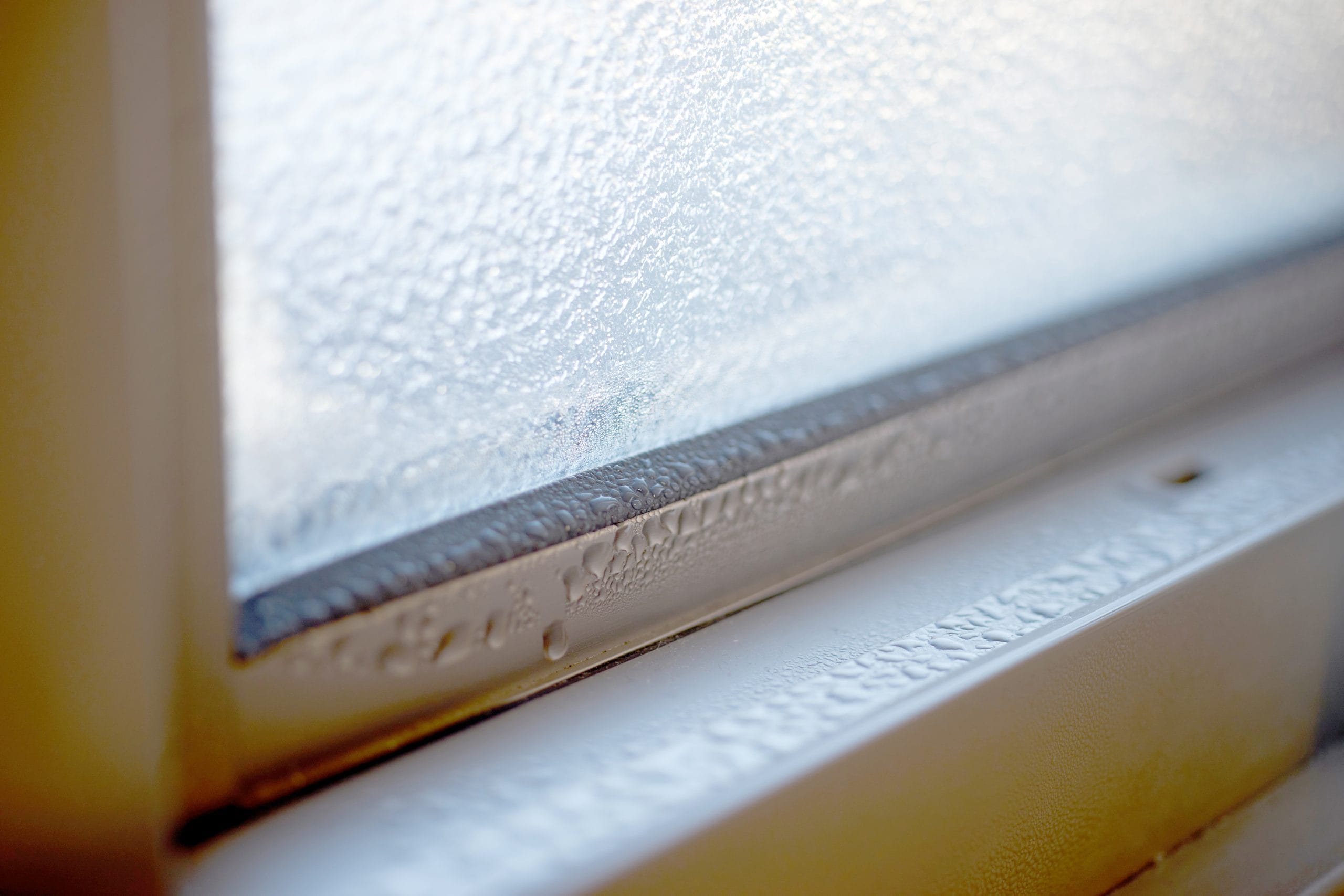
Condensation forms when warm, moisture‑laden air comes into contact with a cold surface. In Perth, Autumn marks the shift from hot, dry summer days to cooler nights and increased humidity from rainfall.
Here’s what happens:
- Indoor air remains relatively warm and humid
- Overnight temperatures drop
- Single‑pane glass cools rapidly
- Moist air hits the cold glass surface
- Water droplets form once the dew point is reached
This is why condensation is most noticeable on windows – glass is usually the coldest surface in the room.
Why Single‑Pane Windows ‘Sweat’
Traditional single‑pane windows have very little insulating ability. They quickly match the outside temperature, especially overnight.
As a result:
- The internal glass surface becomes cold
- The temperature difference between the glass and indoor air increases
- Condensation forms easily and repeatedly
Over time, this moisture can seep into window frames, sills and surrounding walls, creating the perfect environment for mould and mildew.
The Hidden Health Risks of Condensation
Persistent condensation isn’t just a cosmetic issue.
Excess moisture can:
- Encourage mould growth
- Trigger asthma and respiratory issues
- Aggravate allergies
- Damage timber frames, paint and plaster
If you’re wiping down windows most mornings during Autumn and Winter, it’s a sign that the underlying issue needs addressing, not just managing.
How Double-Glazing Stops Condensation at the Source
The key to preventing condensation is keeping the internal glass surface warmer. This is where Formalux Double Glazing excels.
Double glazed windows consist of:
- Two panes of glass
- A sealed insulating gap between them
- Advanced seals that reduce air leakage
This design dramatically improves insulation.
Instead of the internal pane dropping to outdoor temperatures, double glazing keeps the inside glass much closer to room temperature, physically preventing the dew point from being reached.
No dew point = no condensation.
Why AUTUMN Is the Best Time to Act
Many homeowners wait until Winter to address condensation, but by then, mould may already be forming.
Autumn is the ideal time to upgrade because:
- Condensation issues are just starting to appear
- You can prevent months of moisture buildup
- Installation happens before winter cold sets in
- Your home stays drier, healthier and more comfortable all season
Solving condensation early protects both your home and your health.
More Than Condensation: The Added Benefits
While condensation control is a major advantage, Formalux double glazing delivers much more:
- Improved thermal insulation
- Lower heating costs in winter
- Reduced reliance on air‑conditioning year‑round
- Better acoustic performance
- Long‑term durability and comfort
It’s a complete upgrade to how your home performs, not just a seasonal fix.
Why Formalux Double Glazing Makes the Difference
At Formalux, we design and install high‑performance double glazed windows and doors tailored for Perth conditions.
Our systems:
- Reduce internal surface temperature fluctuations
- Maintain consistent indoor comfort
- Minimise moisture and condensation risk
- Support healthier living environments
We don’t just help stop “crying windows”, we help future‑proof homes against ongoing moisture issues.
Say Goodbye to ‘Crying Windows’
Condensation isn’t just a seasonal annoyance; it’s a sign your windows aren’t doing their job. If you’re noticing moisture on your glass as Autumn rains arrive, now is the time to act.
Contact Formalux today to discover how double glazing can stop condensation at the source, keeping your home drier, healthier and more comfortable all year round.
Window Condensation FAQs
Why do my windows have condensation in Autumn?
Condensation occurs when warm, humid indoor air contacts cold glass surfaces. In Autumn, cooler nights and increased humidity cause single‑pane windows to drop below the dew point, forming water droplets.
Is window condensation a sign of poor insulation?
Yes. Excessive condensation is often a sign that windows lack thermal insulation. Single‑pane glass cools quickly, encouraging moisture buildup.
Can double glazing stop condensation completely?
Double glazing significantly reduces condensation by keeping the internal pane closer to room temperature. While extreme humidity can still cause moisture, double glazing prevents the dew point from being reached under normal conditions.
Does condensation cause mould?
Yes. Ongoing window condensation creates damp conditions that encourage mould growth, which can impact indoor air quality and health.
Is condensation worse in winter than summer?
Yes. Condensation is more common in cooler months because temperature differences between indoor air and glass surfaces are greater.
Is Autumn a good time to replace windows?
Absolutely. Autumn is ideal for addressing condensation before winter, helping prevent moisture buildup, mould and heat loss during colder months.
Why Formalux?
We combine industry leading double-glazing products and construction with a next level customer experience and reliable installation. Each of our double-glazing solutions are custom made, tailored for Australian conditions and the specifics of your home. Enjoy a stress-free experience and unmatched home comfort with Formalux.