Biophilic Design: Why Large Glazing is the Star of 2026 Autumn Renovations
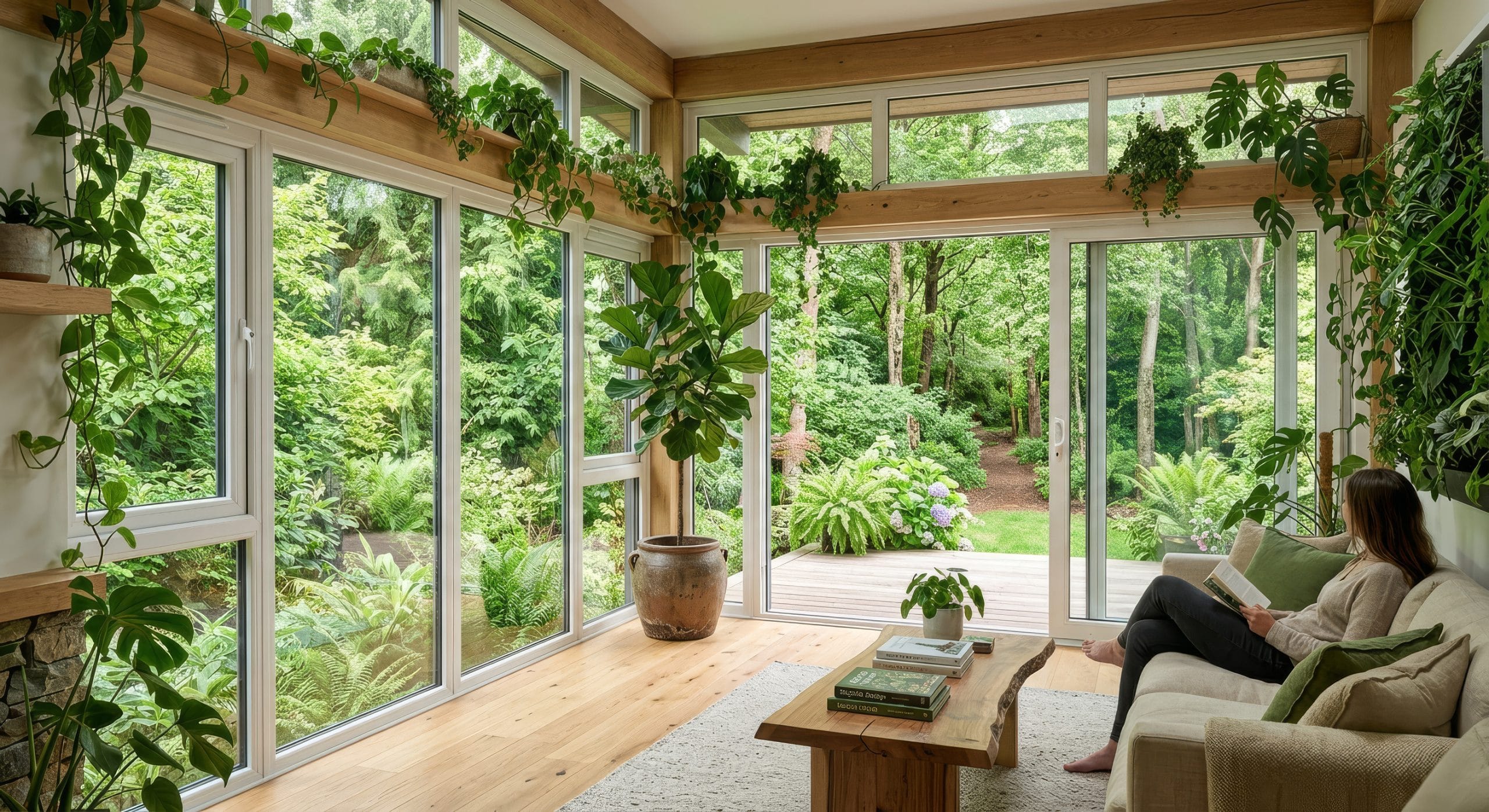
As we move into 2026, one design philosophy continues to shape the way Australians think about their homes: biophilic design. More than a passing trend, biophilic design focuses on strengthening our connection to nature – maximising natural light, framing greenery, and creating spaces that respond to the changing seasons.
For Autumn renovations in particular, this desire to “bring the outside in” has placed large-format glazing firmly in the spotlight. And thanks to advances in modern double glazing, homeowners no longer need to sacrifice comfort or efficiency.
Why Biophilic Design Is Defining Homes in 2026
Biophilic design is about designing homes that feel calmer, healthier and more connected to the natural world. In 2026, this approach is being driven by a growing focus on wellbeing, sustainability and homes that feel restorative rather than sealed off.
Key elements of biophilic design include:
- Abundant natural light
- Views of gardens, trees and seasonal change
- Fresh air and controlled ventilation
- Natural colours, textures and materials
Autumn is the perfect season to embrace this approach. When light softens, leaves change colour, and outdoor spaces become something to enjoy visually as much as physically.
Why Large Glazing Is Central to Biophilic Homes
Large windows and doors are the most powerful tools in biophilic design. They:
- Flood interiors with daylight
- Create strong visual connections between inside and out
- Frame gardens like living artwork
- Make spaces feel larger, warmer and more inviting
However, older styles of large openings, particularly traditional sliding doors, often come with compromises, including draughts, heat loss and poor insulation.
This is where high‑performance double glazing makes all the difference.
Tilt & Turn Windows: Designed for Light, Views and Control
Formalux Tilt & Turn Windows are ideally suited to biophilic homes. Their design allows for:
- Large uninterrupted glass panels that frame outdoor views
- Flexible ventilation: tilt for gentle airflow, turn for full opening
- Excellent airtight sealing for thermal efficiency
In autumn, Tilt & Turn windows allow homeowners to enjoy garden colour, falling leaves and natural light all while maintaining a stable, comfortable indoor temperature.
They support one of biophilic design’s key principles: connection to nature without loss of environmental control.
Smart Slide Doors: Expansive Glazing Without Thermal Loss
For wider openings, Formalux Smart Slide Doors offer a modern alternative to traditional sliding systems.
Unlike older doors, Smart Slide systems:
- Support larger glass panels
- Deliver tighter seals and improved insulation
- Reduce thermal loss across wide openings
This allows homeowners to enjoy wall‑to‑wall glazing that opens onto Autumn gardens or courtyards, without cold drafts or rising energy bills.
Double Glazing: The Foundation of Comfortable Biophilic Design
While large glazing creates the aesthetic, double glazing makes biophilic design practical year‑round.
Quality double glazed windows and doors:
- Maintain consistent indoor temperatures
- Reduce reliance on heating and cooling
- Minimise condensation during seasonal change
- Improve acoustic comfort
Without modern double glazing, large openings can undermine the comfort biophilic homes aim to achieve.
2026 Style Tip: Earth Palettes & Dark Frames
Design trends for 2026 are embracing Earth Palettes – warm ochres, terracottas, clay tones and muted browns inspired by nature.
To anchor these colours, black or charcoal window frames are emerging as a standout choice. They:
- Frame outdoor views like artwork
- Complement natural materials beautifully
- Add architectural clarity without overpowering the space
Formalux’s window and door systems pair seamlessly with these palettes, making glazing feel intentional and design‑led.
Why Formalux Is the Right Choice for Biophilic Homes
Formalux specialises in high‑performance double glazed windows and doors designed for Australian conditions. Our Tilt & Turn Windows and Smart Slide Doors allow homeowners to embrace biophilic design while maintaining comfort, efficiency and control.
With Formalux, you don’t have to choose between:
- Large glazing or thermal performance
- Design or efficiency
- Nature or comfort
You get all three.
Design With Nature, Without Compromise
Biophilic design isn’t about opening your home to the elements. It’s about creating a thoughtful connection to the outdoors while protecting your internal environment.
If you’re planning an Autumn renovation in 2026, large double glazed windows and doors are the key to bringing biophilic design to life.
Contact Formalux today to discover how Tilt & Turn Windows and Smart Slide Doors can help you bring the outside in – beautifully, comfortably and efficiently.
Biophilic Design FAQs
What is biophilic design in home renovations?
Biophilic design is an approach that connects indoor spaces with nature through natural light, greenery, outdoor views and fresh air. In renovations, this often means larger windows and glazed doors that frame gardens and seasonal change.
Why is large glazing important in biophilic design?
Large glazing maximises natural light and strengthens visual connections between indoors and outdoors. It allows homeowners to experience nature, including Autumn colour and changing light, from within the comfort of their home.
Can large windows still be energy efficient?
Yes, if they’re double glazed. Modern double-glazed windows and doors use advanced insulation and airtight seals, allowing large glass areas without heat loss, draughts or reduced comfort.
What are the best windows for biophilic design homes?
Windows that support large panes, clean sightlines and flexible ventilation work best. Tilt & Turn windows are particularly popular for biophilic homes due to their size, efficiency and airflow control.
Are sliding doors suitable for biophilic design?
Traditional sliding doors can struggle with insulation, but modern systems like Formalux’s Smart Slide doors are designed for large openings while maintaining strong thermal performance.
How does double glazing support biophilic design?
Double glazing allows homeowners to connect with nature visually while maintaining a stable indoor environment. It reduces heat transfer, minimises condensation and improves acoustic comfort year‑round.
What window frame colours suit biophilic interiors?
For 2026, Earth Palette interiors pair beautifully with black or charcoal window frames, which help frame outdoor views and complement warm natural tones.
Why Formalux?
We combine industry leading double-glazing products and construction with a next level customer experience and reliable installation. Each of our double-glazing solutions are custom made, tailored for Australian conditions and the specifics of your home. Enjoy a stress-free experience and unmatched home comfort with Formalux.