
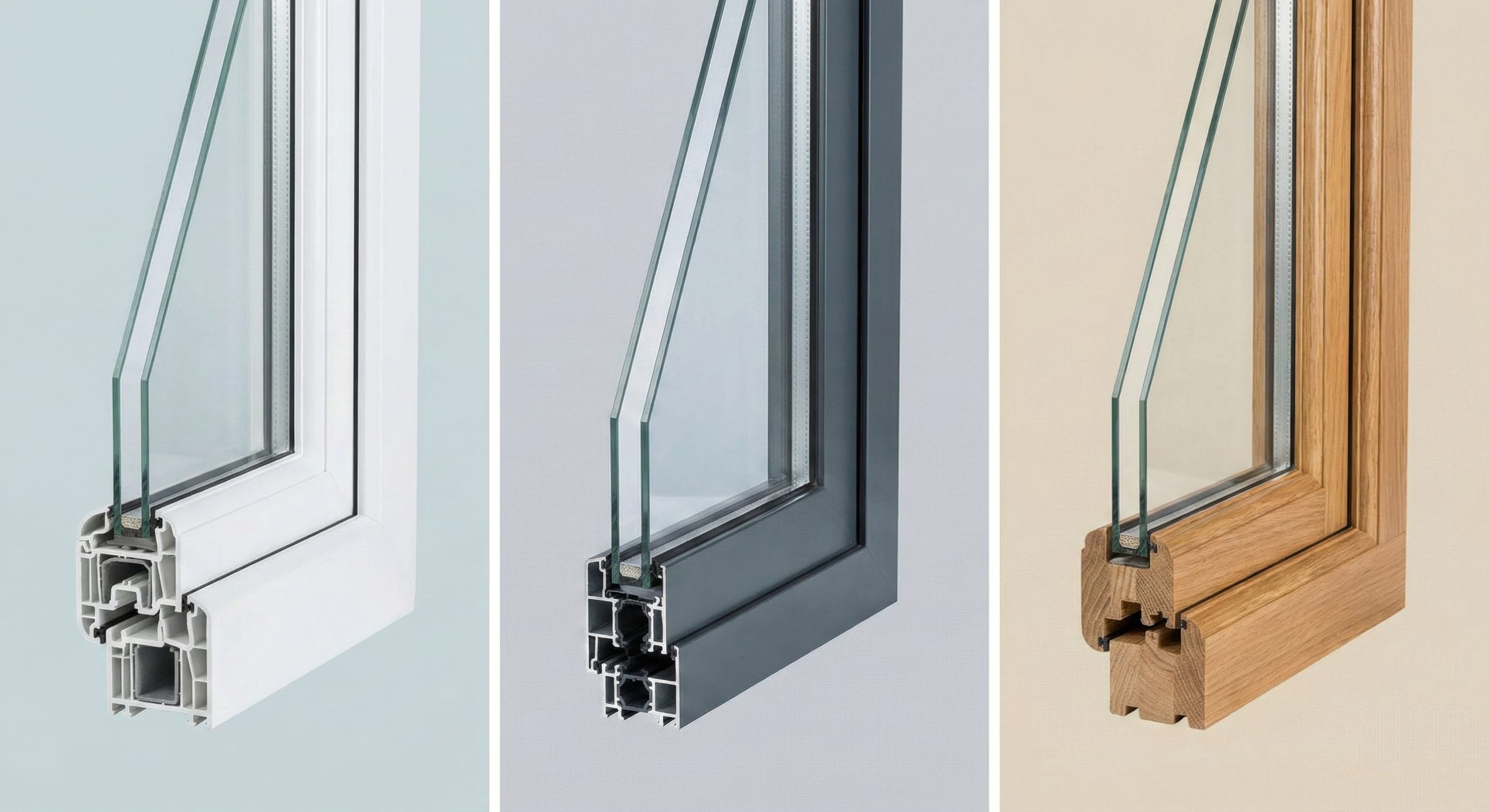
Material Comparison: uPVC vs. Aluminium vs. Timber
When homeowners start researching double glazing, the benefits are clear: better insulation, lower energy bills, reduced noise and improved comfort. But one question often causes hesitation: what frame material should you choose?
Many people want to keep their existing frames, assuming the glass alone will fix the problem. In reality, those same frames are often the weak link – contributing to heat transfer, corrosion, air leaks and ongoing maintenance issues.
To help you make an informed decision, let’s take a look at the three most common window frame materials used in Australia: uPVC, aluminium and timber – and why uPVC frames, like those supplied by Formalux, are increasingly considered the best long‑term option.
Why Window Frame Materials Matter More Than You Think
Double glazing only performs at its best when paired with the right frame. Even the highest‑quality glass can’t compensate for a frame that conducts heat, corrodes, or warps over time.
Your frame material directly affects:
- Thermal insulation
- Energy efficiency
- Maintenance requirements
- Lifespan in harsh environments
- Overall comfort
This is especially important in coastal Australian environments, where salt air, heat and UV exposure accelerate wear and tear.
Aluminium Frames: Strong, but Highly Conductive
Aluminium is widely used in Australia due to its strength and slim profiles. However, when it comes to thermal performance, aluminium has a major drawback – it’s highly conductive.
Pros:
- Strong and lightweight
- Modern appearance
- Suitable for large spans
Cons:
- Conducts heat and cold, reducing insulation performance
- Can undermine the benefits of double glazing
- Prone to corrosion in salt air without heavy treatment
- Often requires thermal breaks to improve efficiency
In the uPVC vs aluminium windows debate, aluminium frequently falls short in energy efficiency – particularly in homes trying to reduce reliance on air‑conditioning.
Timber Frames: Natural Appeal, High Maintenance
Timber frames are loved for their natural aesthetic and traditional character. However, they require ongoing care and are vulnerable in Australia’s climate.
Pros:
- Natural insulation properties
- Classic appearance
- Suitable for heritage homes
Cons:
- Requires regular painting, sealing and upkeep
- Susceptible to rot, swelling and termite damage
- Performs poorly in coastal and high‑humidity environments
- Can warp over time, causing air gaps and leaks
For homeowners searching for maintenance‑free window frames in coastal Australian environments, timber often becomes more work than it’s worth.
uPVC Frames: Designed for Performance and Durability
uPVC (unplasticised polyvinyl chloride) has become the frame material of choice across Europe and is rapidly gaining popularity in Australia – particularly for energy‑efficient homes.
Why uPVC Stands Out:
Superior Thermal Insulation
uPVC is non‑conductive, meaning it doesn’t transfer heat or cold. This allows double glazing to perform as intended, keeping homes cooler in summer and warmer in winter.
Ideal for Coastal Conditions
If you’re searching for the best window frames for salt air, uPVC is hard to beat. It won’t corrode, rust or degrade in coastal environments – making it perfect for Perth and WA homes.
Low to Zero Maintenance
uPVC frames don’t need painting, sealing or refinishing. A simple clean keeps them looking new, making them truly maintenance‑free window frames.
Long Lifespan
uPVC frames resist UV damage, warping and moisture – delivering long‑term performance with minimal upkeep.
Why Replacing Frames Matters with Double Glazing
Many homeowners ask if they can keep their existing frames and just upgrade the glass. While retrofitting is possible in some cases, old aluminium or timber frames often:
- Conduct heat around the glazing
- Leak air through worn seals
- Reduce energy efficiency
- Limit noise reduction
If your goal is to fix comfort issues, reduce energy bills and future‑proof your home, replacing outdated frames is often the smartest move.
uPVC vs Aluminium vs Timber: At a Glance
- Best insulation: uPVC
- Best for salt air & coastal environments: uPVC
- Lowest maintenance: uPVC
- Most traditional look: Timber
- Strongest slim profiles: Aluminium
uPVC offers the best all‑round performance for modern Australian homes, especially when paired with high‑quality double glazing.
Why Choose Formalux uPVC Frames?
Formalux specialises in premium uPVC double glazed windows and doors designed specifically for WA conditions. Our systems maximise insulation, resist coastal exposure and deliver lasting performance without the maintenance headaches.
We don’t just upgrade glass – we upgrade the entire window system.
Choosing the Right Frame for the Long Term
If you’re investing in double glazing, it makes sense to choose a frame that enhances, not limits, its performance. For homeowners weighing uPVC vs aluminium windows in Australia, the answer increasingly comes down to comfort, efficiency and long‑term value.
Contact Formalux today to explore our uPVC window and door solutions and find out why they’re considered the best window frames for coastal Australian environments.
Why Formalux?
We combine industry leading double-glazing products and construction with a next level customer experience and reliable installation. Each of our double-glazing solutions are custom made, tailored for Australian conditions and the specifics of your home. Enjoy a stress-free experience and unmatched home comfort with Formalux.